

A Q&A with Rich Klarck, Principal-in-Charge, Aquatic Engineering
Aging aquatic facilities present unique operational and regulatory challenges for park districts, especially when it comes to filtration systems. We sat down with Rich Klarck, Principal-in-Charge of Aquatic Engineering at WT Group AEC, to discuss the most common filtration issues, warning signs, and how park districts can plan smart, long-term solutions.
Park districts with aging aquatic facilities most commonly face filtration challenges related to equipment deterioration, outdated system design, and evolving regulatory requirements. As systems age, filters, valves, and piping often become less efficient or fail more frequently, leading to increased maintenance costs and reduced water quality.
Declining water quality is often a symptom of internal system fatigue. Filter media may be worn or compacted, circulation rates may be insufficient, valves and piping may be deteriorating, or the system may no longer be capable of handling peak bather loads. In many cases, the system simply isn’t keeping up with how the facility is being used today.
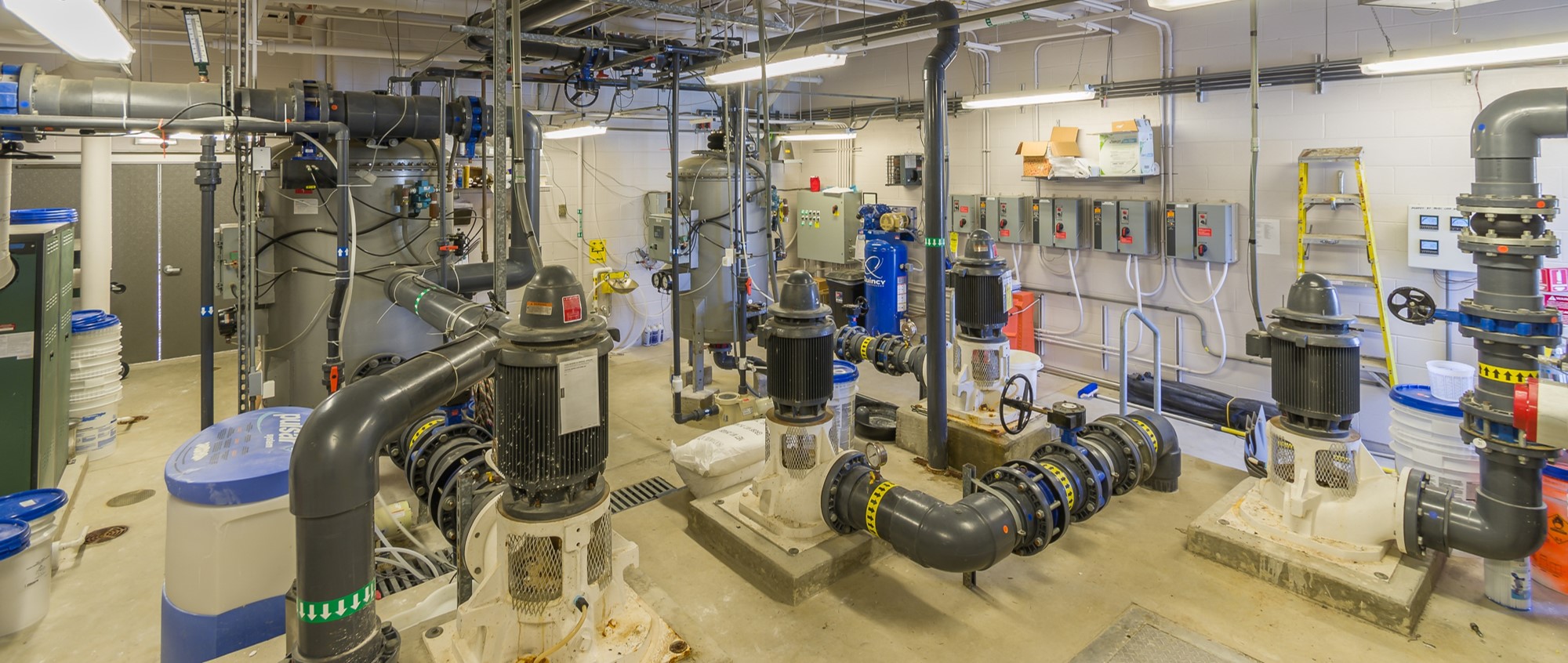
Filtration systems are in constant use, even when the pool is closed, which leads to gradual wear that isn’t always immediately visible. Unlike structural components, filtration performance can degrade incrementally over time. Because water quality is directly tied to public health and regulatory compliance, filtration issues often become urgent before other infrastructure concerns.
Key indicators include persistent water clarity issues, difficulty maintaining chemical balance, frequent backwashing, increasing operational costs, recurring maintenance problems, and challenges meeting current code requirements. If staff are spending more time troubleshooting water quality than operating the facility, it’s often time to evaluate a renovation.
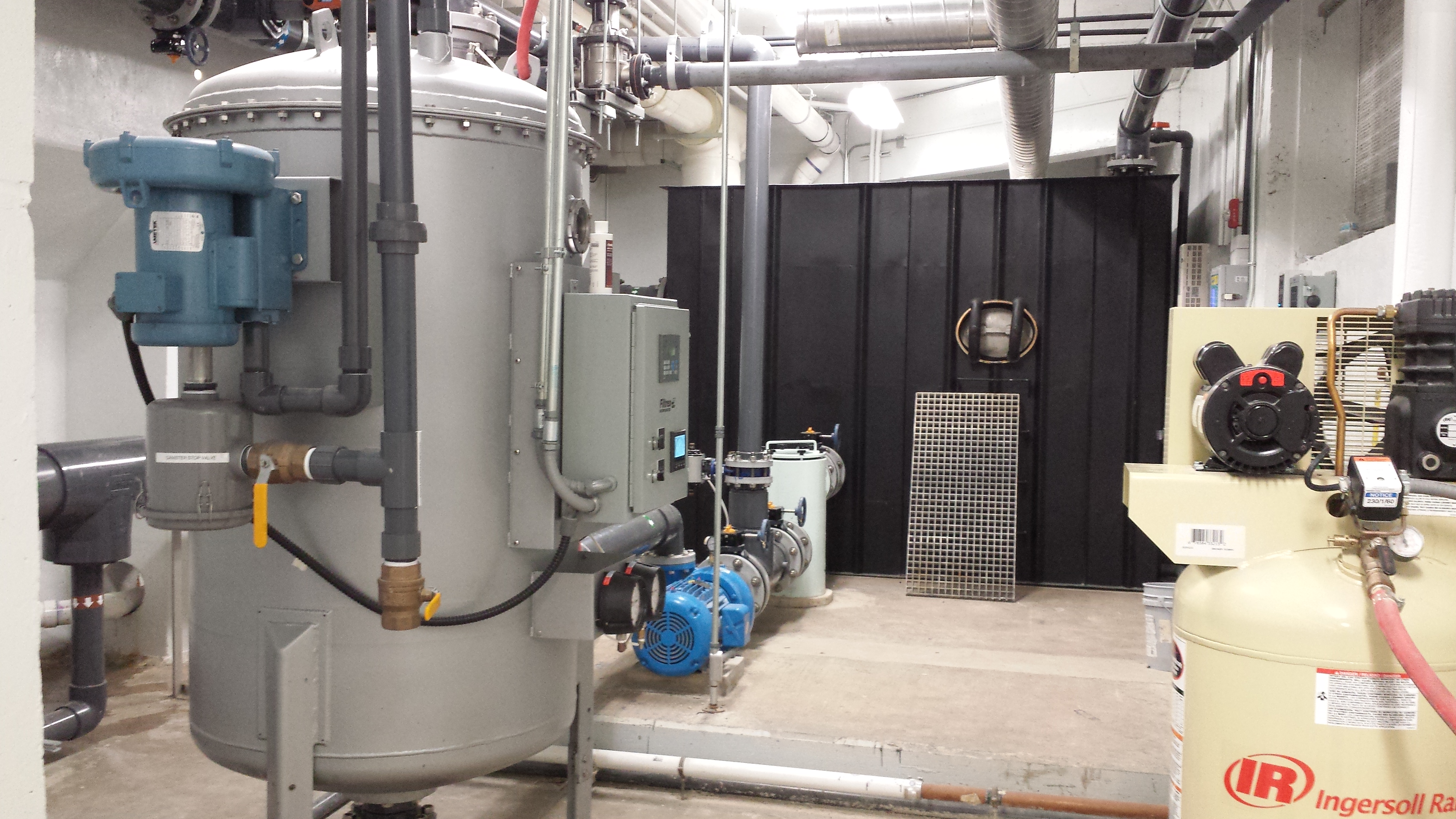
Many park districts are transitioning away from traditional high-rate sand filters or older pressure systems that are inefficient and water-intensive. These systems often lack the flexibility, efficiency, and performance needed for modern aquatic facilities. Today, regenerative filtration systems are often preferred due to their improved water quality, reduced water usage, and operational efficiency.
WT Group AEC takes a data-driven approach, evaluating existing conditions, bather loads, operational goals, staffing capabilities, and budget constraints. The team works closely with park district staff to compare filtration technologies, lifecycle costs, and performance expectations, ensuring the selected system supports both immediate operational needs and long-term facility planning.
Whether your facility is experiencing water quality challenges or you’re planning ahead for a future renovation, WT Group AEC’s Aquatic Engineering team can help. From system evaluations to filtration upgrades and long-term planning, our experts partner with park districts to deliver practical, compliant, and cost-effective solutions.
Connect with our Aquatic Engineering team to start the conversation.

.jpg)